Herpes labialis, commonly known as cold sores, is a persistent and often uncomfortable viral infection that affects millions worldwide. Characterized by the appearance of painful blisters, primarily around the lips, it can significantly impact daily life, causing discomfort and aesthetic concerns. While historically managed with topical or oral medications, a growing body of evidence points to the efficacy of laser therapy as an innovative and highly effective treatment option. This article explores the principles behind laser treatment for herpes labialis, its mechanisms of action, and the benefits it offers in managing this recurring condition.
Understanding Herpes Labialis: The Nature of the Virus
Herpes labialis is caused by the Herpes Simplex Virus (HSV), most commonly HSV-1, though HSV-2 can also be responsible. This virus establishes a latent infection within the body, meaning it remains dormant in nerve cells after the initial, or primary, infection. The recurring nature of herpes labialis stems from the reactivation of this latent virus. Numerous factors can trigger this reactivation, including weakened immune defenses due to stress, fatigue, illness, or even exposure to sunlight.
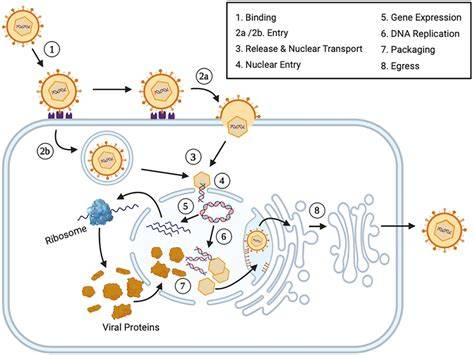
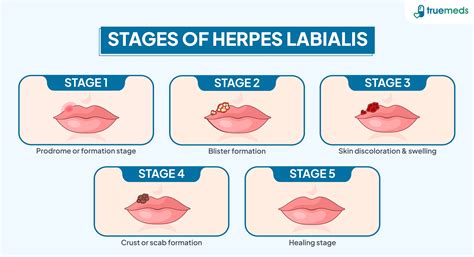
The initial symptoms of an impending outbreak are often subtle yet distinct. Individuals prone to cold sores frequently report a prodromal phase characterized by a tingling, burning, or itching sensation in the affected area, signaling that the virus is beginning to reactivate. This is typically followed by the eruption of small, painful vesicles that cluster together, often on an erythematous base. These vesicles may persist for a few days before rupturing, drying out, and eventually forming a crust. The healing process for primary infections can take between 10 to 19 days, while subsequent outbreaks tend to resolve more quickly, typically within 5 to 10 days.
It is crucial to understand that current medical interventions, including laser therapy, do not eliminate the underlying virus. Instead, they focus on managing the symptoms and accelerating the healing process, making the experience of an outbreak significantly more tolerable.
The Power of Light: Laser Therapy as a Solution
Laser therapy has emerged as a promising alternative and complementary treatment for herpes labialis, offering a non-invasive, painless, and highly effective approach to managing outbreaks. The efficacy of laser treatment is rooted in its ability to interact with the virus and the affected tissues at a cellular level, promoting healing and reducing discomfort.
Wavelengths and Mechanisms of Action
Different wavelengths of laser light are employed for treating herpes labialis, each with specific therapeutic effects. Notably, lasers with wavelengths in the range of 635-660 nm, and specifically diode lasers operating at 808 nm and 670 nm, have demonstrated significant success.
When applied with the correct parameters, laser light of these wavelengths can:
- Inhibit Viral Replication: The energy delivered by the laser can interfere with the replication cycle of the herpes simplex virus, effectively halting its proliferation and preventing the further development of the lesions.
- Stimulate Local Immune Defenses: Laser application can trigger an increase in local immune system activity. This enhanced immune response at the site of infection empowers the body's natural defenses to more effectively combat the virus.
- Promote Tissue Regeneration and Healing: The laser energy stimulates cellular activity, promoting faster tissue repair and regeneration. This leads to a quicker resolution of the lesions and a reduction in the duration of the outbreak.
- Provide Analgesic Effects: One of the most immediate and appreciated benefits of laser therapy is its potent pain-relieving action. The laser energy can modulate pain signals, providing substantial relief from the discomfort associated with cold sores.
- Reduce Inflammation: Laser treatment helps to decrease inflammation at the site of the lesion, contributing to faster healing and reduced swelling.
The Treatment Process: A Gentle and Efficient Approach
A significant advantage of laser therapy for herpes labialis is its complete lack of pain, heat, or ablative action. The application is entirely painless and does not involve any physical removal of tissue.
The optimal timing for laser intervention is crucial for maximizing its effectiveness. The ideal scenario is to initiate treatment at the earliest sign of an impending outbreak, typically during the prodromal phase when the patient experiences the characteristic tingling, burning, or itching. Treating the lesion at this nascent stage allows the laser to intercept the virus before it fully manifests as visible blisters.
How to get rid of a cold sore fast and treatment remedies
A typical laser treatment session is brief, usually lasting between 10 to 15 minutes. Depending on the extent of the lesion, one to two sessions may be sufficient to achieve a significant reduction in symptoms and accelerate healing. In the case of diode lasers with a wavelength of 808 nm, patients often report a noticeable decrease in symptomatology immediately after the first session, with complete healing consistently occurring within 2 to 4 days. For lasers with a wavelength of 670 nm, a protocol might involve a 60-second application, followed by a slight repositioning of the laser and another application, continuing this process until the lesion appears dry and whitish.
Advantages Over Traditional Treatments
While pharmacological treatments for herpes labialis, whether topical or oral, can be effective when initiated early, laser therapy presents several compelling advantages:
- Speed of Healing: Studies and clinical observations consistently show that laser treatment can significantly shorten the healing time of cold sores compared to traditional methods.
- Pain Relief: The rapid and substantial analgesic effect of laser therapy provides immediate relief from the pain and discomfort characteristic of herpes outbreaks.
- Painless and Non-Invasive: The procedure is entirely painless and does not involve any cutting, burning, or physical disruption of the tissue, making it a comfortable experience for patients.
- Absence of Side Effects: Unlike some oral or topical medications that can have systemic or local side effects, laser therapy is generally considered to be free of adverse reactions.
- Reduced Recurrence Potential (in some protocols): While not a definitive cure, some studies suggest that consistent laser therapy might help in managing the frequency of recurrences, potentially by strengthening local immune defenses and reducing viral load.
- Treats Aphthous Ulcers: Beyond herpes, diode laser therapy has also proven effective in treating aphthous ulcers (canker sores), offering rapid pain reduction and accelerated healing for these common oral lesions.
The Future of Cold Sore Management
The increasing body of scientific research and positive clinical outcomes underscores the role of laser therapy as a powerful tool in the management of herpes labialis. By leveraging the photobiomodulatory effects of specific laser wavelengths, healthcare professionals can offer patients a faster, more comfortable, and highly effective solution for this persistent and bothersome condition. As technology advances and our understanding of laser-tissue interactions deepens, laser therapy is poised to become an even more integral part of the comprehensive approach to treating herpes labialis and improving oral health.
The ability of lasers to not only alleviate symptoms but also to actively contribute to the body's natural healing mechanisms represents a significant leap forward in patient care. The immediate reduction in pain and the accelerated timeline for lesion resolution translate directly into an improved quality of life for individuals suffering from recurrent cold sores. Furthermore, the inherent safety profile of these low-level laser applications makes them an attractive option for a broad range of patients, including those who may be sensitive to or have contraindications for conventional antiviral medications. The exploration of different laser parameters and treatment protocols continues, promising even greater customization and efficacy in the future of herpes labialis management.